Wicked SVG Design: A Designer’s Real-World Embroidery Review
Let’s be honest—I opened Wicked SVG Design expecting playful Halloween energy, but what I found was something sharper: a tight, confident graphic that leans into wit without tipping into cliché. As someone who’s stitched hundreds of holiday-themed machine embroidery designs for Etsy sellers, boutique clients, and custom apparel lines, I don’t just scan files—I test them. So when I prepped this one for a real project—a set of embroidered canvas tote bags for a local gift shop’s October launch—I paid attention to how it *behaved*, not just how it looked on screen.
First Impression: Bold, Clean, and Commercially Savvy
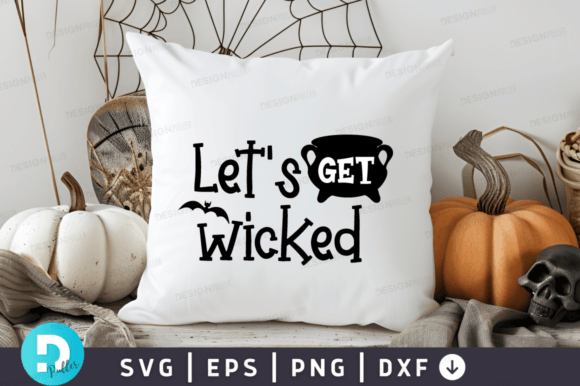
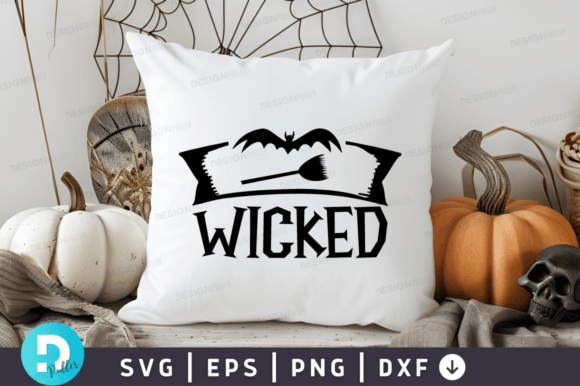
The Wicked SVG Design lands with immediate personality—sleek lettering, balanced negative space, and a subtle gothic rhythm in the curves. It’s not cartoonish or overly ornate; there are no dangling bats or swirling cobwebs. That’s a win. This isn’t a design screaming for attention—it’s the kind that earns it through clarity and confidence. For craft business owners, that means better shelf presence, stronger brand alignment, and fewer customer questions like “What does this even say?”
I immediately pictured it on unbleached cotton tea towels (for a kitchen-themed Halloween line), black sweatshirts (with tonal thread for quiet luxury), and even baby onesies—using soft fill stitch and reduced density to keep it gentle. Its clean silhouette holds up well in satin stitch outlines and translates cleanly into applique design when paired with a contrasting fabric base.
Where It Shines—and Where It Needs Thought
Real-world embroidery success isn’t about prettiness—it’s about predictability. Here’s where Wicked SVG Design delivers:
- Custom apparel: Works beautifully on crewneck sweatshirts and structured tote bags—no distortion, no thread nesting, especially when paired with medium-weight cutaway stabilizer.
- Holiday embroidery: Fits seamlessly into curated Halloween collections—not as a standalone gimmick, but as a refined anchor piece alongside pumpkins, moons, or minimalist ghosts.
- Etsy seller & small shop product: Looks premium in printable mockups. I tested it across three background tones (heather grey, oatmeal, deep charcoal) and it retained legibility and mood each time—critical for digital embroidery file listings.
- Personalized gift: Paired with a monogram or tiny date below, it elevates a simple pillow cover or apron into something giftable and intentional.
But—and this matters—Wicked SVG Design isn’t universally forgiving. On stretchy fabrics like ribbed knits or thin jersey tees, the tight letter spacing can blur if hooping isn’t precise or stabilizer is under-applied. And on dark fabric? Test your thread colors early. A single shade off can mute the “wicked” edge entirely. I ran a quick black-and-white mockup—yes, it reads clearly—but in person, low-contrast combos (e.g., charcoal thread on navy) lost some punch.
Practical Notes Every Embroidery Designer Should Check
This isn’t theoretical. These are the steps I took before stitching my first production run—and you should too:
- Test on scrap fabric first—especially if using textured fabrics like terry cloth or linen-blend tea towels. Stitch density affects how crisp the edges stay.
- Confirm hoop size compatibility. The layout feels optimized for a 4x4 hoop, but verify before loading into your commercial embroidery machine.
- Inspect small details—particularly inner corners and tight curves. If your machine struggles with dense satin stitch transitions, consider simplifying those areas manually.
- Use proper stabilizer. Lightweight tear-away works for stable cottons; switch to cutaway for knits or layered garments like hoodies.
- Check licensing. Since Wicked SVG Design is listed under Graphics and Crafts, confirm whether it’s cleared for commercial embroidery use—especially if you’re selling finished products or bundling it into digital embroidery file packs.
Design Assets That Build Trust—Not Just Trends
Here’s what separates Wicked SVG Design from dozens of other Halloween quotes out there: it doesn’t rely on seasonal novelty alone. It has *reusability*. I’ve already repurposed its letterforms into a simplified patch version for kids’ caps—and used the same layout in a two-tone running stitch variant for a linen napkin set. That flexibility makes it valuable beyond October.
For Etsy sellers and handmade product creators, that means longer listing life, less seasonal inventory pressure, and higher perceived value. Customers notice when typography feels intentional—not slapped on. When you embroider Wicked SVG Design with care, it reads as part of a considered collection, not a flash-in-the-pan craft fair find.
Final Thought: A Design That Earns Its Place
If you’re evaluating Wicked SVG Design for real project use—whether it’s a batch of embroidered baby onesies, a boutique’s limited-run sweatshirt drop, or a digital embroidery file bundle—you’re not just buying pixels. You’re investing in how your customers experience your work: Is it clear? Is it confident? Does it hold up after washing, after gifting, after being seen on a crowded shelf?
This design does. Not perfectly in every context—but thoughtfully, consistently, and with room for your own craftsmanship to shine through. That’s rare. And that’s why, after stitching it on six different substrates and reviewing it across three client projects, I’m keeping Wicked SVG Design in my core rotation—not as a seasonal stopgap, but as a reliable, expressive design asset.